
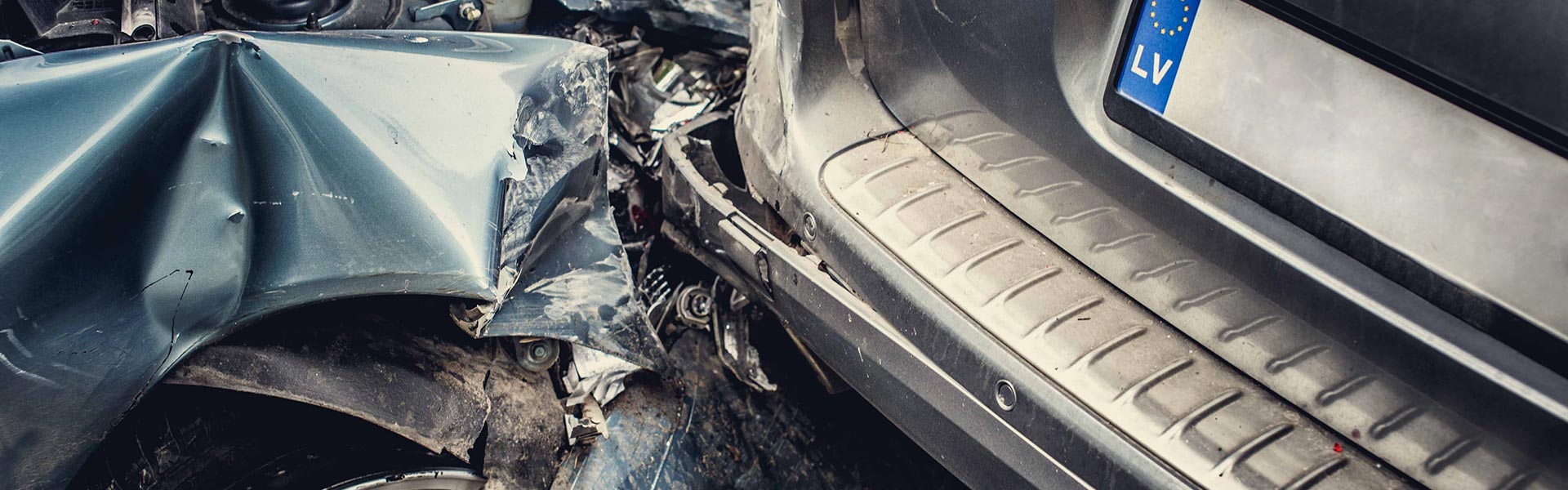
If you were involved in a fender bender or completely wrecked your car, the insurance company may declare your vehicle a total loss. Following the state rules, each insurance company has a different threshold for a totaled vehicle, which can be either 50% or 100%.
For instance, for Florida car insurance, the total loss threshold is set at 80%. This means that your car is declared a total loss if the damage is greater than 80% of its total value.
Here’s a look at what total loss means, and the next steps you should take to get the coverage you need.
What Does “Total Loss” Actually Mean?
Total loss refers to when your insurance company deems it’s unwise to repair your vehicle because the estimated cost of repairs exceeds the actual cash value (ACV) of your car before the accident. In this case scenario, your insurance company may pay you the value of the vehicle (minus any deductible), depending on your insurance plan.
If you don’t believe your vehicle qualifies for total loss, consider getting a total loss car appraisal to establish the actual fair market value from an unbiased source and claim proper settlement value. Every individual has the right to file an independent total loss appraisal, rather than having the insurance company handle the entire process.
Generally speaking, reasons a vehicle may be qualified as a total loss include:
- Repair costs are more than the car’s ACV
- The damage amount meets a state’s total loss threshold
- Damages exceed its pre-accident value according to a state’s total loss formula
- The car can’t be repaired due to extensive damage.
Under this case scenario, the vehicle is deemed to have a “salvage value”, meaning the vehicle has reached the end of its useful life and is categorized as such under a write-off marker.
Determining The Total Loss Value For Your Vehicle
Here’s a breakdown of how your vehicle will be analyzed after it has been totaled:
Damage assessment: Your insurance company will assess the cost of repairing your vehicle, including replacement parts, labor fees, and the car’s salvage value.
Actual Cash on Value (ACV): Based on mileage, condition, and other market-determining factors, the insurance company evaluates the actual cash on value (ACV) of the vehicle before it’s pre-totaled state. This value will not include any depreciating factors.
Comparison: The actual cash value is compared to the cost it will take to repair the vehicle to its pre-accident condition.
Final Decision: If the repair costs approach or exceed the ACV, there’s a high chance that the vehicle is declared a total loss.
Your Next Steps After Your Car Is Totaled In An Accident
If the car accident is not your fault, make sure you get the insurance details of the driver at fault to get the maximum amount of settlement offer for damages.
On the other hand, if you fall under the at-fault party yet have insurance coverage, here’s what your next steps should look like:
- File an insurance claim.
- Get an independent total loss car appraisal for a secure outcome.
- If your claim is accepted, your insurer will issue payment for the actual cash value (ACV) minus your deductible on your comprehensive or collision coverage.
Having an independent total car loss appraisal can benefit you in many ways, including preventing insurance companies from undervaluing your vehicle, especially if the accident wasn’t your fault.
What If The Total Loss Accident Wasn’t Your Fault?
In the scenario that your car is totaled but you’re not at fault, then you’re likely wondering who will cover the cost. This is when the at-fault driver’s property damage liability insurance may reimburse you for the costs to repair your vehicle.
The claim may take a while to be processed, where in the meantime the driver will have to cover the repair costs, in the case you have collision coverage. Without it, you may be left with a salvage title on your hands till the claim gets processed. After filing the claim, it’s generally advised to seek a total loss car appraisal to negotiate or have a counteroffer available.
Get A Better Settlement With Total Loss Appraisals
With a total loss car appraisal in your hands, you may be on your way to receiving a better settlement– especially if a certified appraiser was involved in the dispute. Backed by an independent opinion, an appraiser will provide an accurate estimate of the damage and help you secure proper compensation. And that’s exactly what we’re here for at American Auto Appraisers. With manual methods and methodological tactics, we offer accurate total loss car appraisals that stand up in front of court proceedings and insurance companies.
